Understanding the Importance of Mobile Phone Icons in Modern Design Projects
In today's visually-driven world, the use of icons has become a cornerstone of effective communication. Among these, the mobile phone icon stands out as a universally recognized symbol that plays a crucial role across various design disciplines. Whether you're building a website, crafting a presentation, or designing promotional materials, incorporating a mobile phone icon can significantly enhance clarity, engagement, and user experience.
What Is a Mobile Phone Icon?
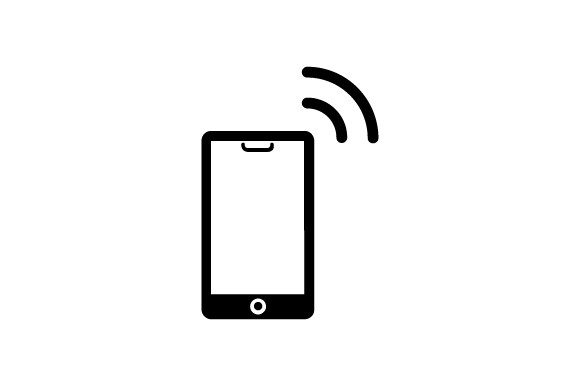
A mobile phone icon is a simplified visual representation of a smartphone or cellular device. It is often used to symbolize communication, connectivity, mobile technology, or access to mobile applications. These icons are typically designed to be intuitive and easily identifiable, making them ideal for a wide range of digital and print applications.
Designers often use mobile phone icons in user interfaces, infographics, and branding materials to convey the idea of mobile interaction or mobile-first experiences. They come in various formats such as SVG, EPS, AI, and PNG, ensuring compatibility across design tools and platforms.
Why Mobile Phone Icons Are Essential in Design
The relevance of mobile phone icons extends beyond aesthetics. They serve a functional purpose in making information more digestible and navigation more intuitive. Here’s why they’re indispensable:
- Visual Clarity: Icons like the mobile phone icon offer a quick visual cue that users can recognize instantly, reducing the need for lengthy text explanations.
- Space Efficiency: In layouts where space is limited—such as mobile menus or dashboard interfaces—icons help convey meaning without cluttering the design.
- Universal Recognition: The mobile phone is a globally understood device, making its icon recognizable across cultures and languages.
- Brand Consistency: When used in branding materials, mobile phone icons reinforce the idea of modernity and digital connectivity.
Common Use Cases for Mobile Phone Icons
From websites to printed brochures, mobile phone icons are incredibly versatile. Below are some of the most common applications:
- Website and App Design: Used in navigation bars, contact sections, or app interfaces to indicate mobile access or communication features.
- Promotional Materials: In flyers, posters, or email campaigns to highlight mobile-exclusive offers or actions like “Download the App” or “Call Us.”
- Presentation Slides: To visually support topics related to mobile technology, digital marketing, or modern communication trends.
- Infographics and Reports: To represent mobile usage statistics, smartphone adoption rates, or mobile app engagement data.
- Educational Content: In e-learning modules or training materials to illustrate mobile learning or remote communication tools.
How to Choose the Right Mobile Phone Icon Format
Icons come in various file formats, each with its own advantages. When selecting a mobile phone icon, it’s important to consider the intended use and the design tools you're working with:
- SVG (Scalable Vector Graphics): Ideal for web use due to their scalability and small file size. SVGs maintain clarity at any size and can be edited with code.
- EPS (Encapsulated PostScript): A vector format commonly used in print design. EPS files are compatible with Adobe Illustrator and other professional design software.
- AI (Adobe Illustrator): The native format for Adobe Illustrator, offering full editability for designers who need to customize the icon.
- PNG (Portable Network Graphics): Best for use in presentations or websites where a transparent background is needed. PNGs are raster-based and high quality but not scalable without potential loss of clarity.
Customizing Mobile Phone Icons for Your Project
One of the greatest advantages of using vector-based mobile phone icons is the ability to customize them to fit your brand or design theme. With formats like SVG, EPS, and AI, you can easily adjust:
- Colors: Match the icon to your brand palette or the color scheme of your project.
- Size: Resize without losing quality, making icons suitable for both large banners and small buttons.
- Style: Modify outlines, add gradients, or combine with other icons to create a unique visual style.
For example, a tech startup might use a sleek, minimalist mobile phone icon in dark blue to reflect professionalism, while a children’s app might opt for a colorful, cartoon-style version to appeal to a younger audience.
Best Practices for Using Mobile Phone Icons
To ensure your use of mobile phone icons is both effective and aesthetically pleasing, follow these best practices:
- Use Consistent Styles: Ensure all icons in your design share a similar visual style (flat, outlined, filled, etc.) for a cohesive look.
- Consider Context: Make sure the icon clearly relates to the action or information it represents. Avoid abstract or overly stylized versions that may confuse users.
- Optimize for Accessibility: Choose high-contrast colors and avoid relying solely on color to convey meaning. Always provide text labels when necessary.
- Test Across Devices: Especially for web and app use, test how the icon appears on different screen sizes and resolutions.
Mobile Phone Icons in the Digital Age
As mobile devices continue to dominate how we access information, communicate, and conduct business, the importance of mobile-related design elements like the mobile phone icon will only grow. From responsive websites to mobile-first marketing campaigns, these icons help bridge the gap between visual design and user functionality.
Moreover, in a world where attention spans are short and visual content reigns supreme, icons serve as powerful tools for storytelling and engagement. A well-placed mobile phone icon can guide a user's attention, clarify a message, or reinforce a brand identity—making it an essential element in any modern design toolkit.
Conclusion
In summary, the mobile phone icon is more than just a design element—it’s a vital tool for enhancing communication, improving user experience, and supporting visual storytelling across a wide range of platforms. Whether you're designing a website, creating a presentation, or developing marketing materials, incorporating a mobile phone icon can elevate your work and make your message more accessible and engaging.
With multiple file formats available—including SVG, EPS, AI, and PNG—you have the flexibility to use these icons in virtually any project. And with the ability to customize colors and styles, you can ensure that the icon aligns perfectly with your brand and design goals.
So next time you're working on a design project, don’t overlook the power of the mobile phone icon. It might just be the key to making your content more intuitive, professional, and visually compelling.