Basic and Universal Icons: Essential Tools for Modern Design Projects
Icons play a crucial role in visual communication, helping convey ideas quickly and effectively across various platforms. Basic and Universal Icons offer a versatile and practical solution for designers, developers, and creators working on websites, presentations, promotional materials, and more. Whether you're building a user interface, crafting an infographic, or designing a brochure, these icons provide a reliable visual language that enhances clarity and engagement.
What Are Basic and Universal Icons?
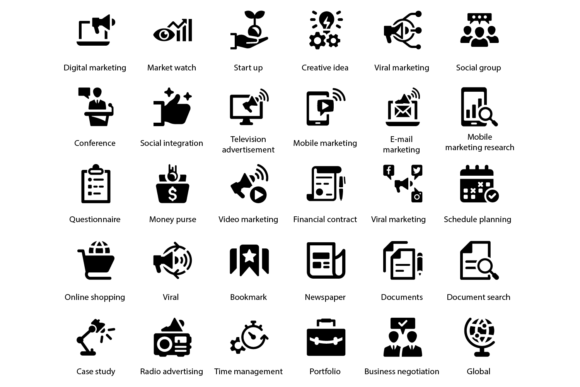
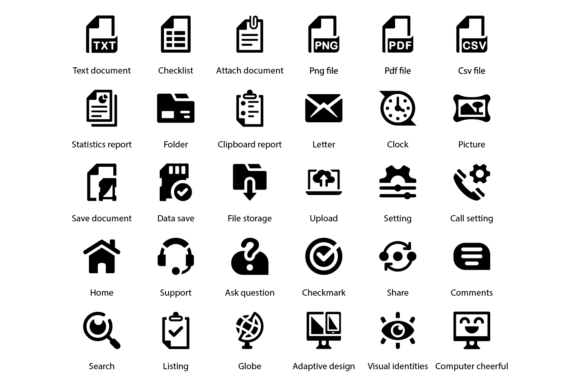
Basic and Universal Icons are a curated collection of simple, recognizable symbols designed to represent common actions, objects, and concepts. These icons are crafted to be universally understood, ensuring they can be used across cultures and industries without confusion. Each icon is created with minimal complexity, making it easy to integrate into a wide range of design environments.
Key Features of the Icon Set
This icon set is designed with flexibility and ease of use in mind. Each icon is available in multiple formats to suit different project needs:
- Fully editable AI and EPS files for vector-based editing and customization
- Transparent PNG files (256×256 pixels) ideal for quick placement in web and print designs
- SVG files that scale perfectly for responsive web design and high-resolution displays
These formats ensure that you can use the icons seamlessly across digital and print mediums, maintaining quality and clarity at any size.
Why Use Basic and Universal Icons?
The value of this icon set lies in its simplicity and adaptability. Here are some of the key benefits that make these icons a go-to resource for designers and developers:
- Consistency: The uniform style and visual tone of the icons help maintain design cohesion across different elements and pages.
- Time-saving: With a ready-to-use library of commonly needed icons, you can avoid the need to create visuals from scratch.
- Cross-platform compatibility: Whether you're working in Adobe Illustrator, Figma, or a web development framework, these icons integrate smoothly into your workflow.
- Accessibility: Clear, recognizable symbols improve usability, especially for users who may struggle with text-heavy interfaces.
Applications Across Different Industries
Basic and Universal Icons are not limited to one type of project or industry. Their broad appeal and intuitive design make them suitable for a wide range of applications:
- Web Design: Use icons to guide navigation, label buttons, or highlight features on websites and mobile apps.
- Presentation Design: Enhance slides with icons that visually support key points and data.
- Promotional Materials: Incorporate icons into flyers, posters, and banners to draw attention and convey messages quickly.
- Infographics and Illustrations: Icons help simplify complex data and make information more digestible.
- Print Design: From brochures to packaging, icons add visual interest and clarity to printed content.
Who Can Benefit from This Icon Set?
These icons are ideal for a diverse audience, including:
- Graphic designers looking for a clean, professional visual language
- Web developers integrating intuitive UI elements into their projects
- Business owners creating marketing materials or branded content
- Content creators producing engaging presentations, reports, or educational materials
- Freelancers and agencies working on multiple client projects with varying design requirements
Whether you're a seasoned professional or just starting out, having access to a well-designed icon library can significantly streamline your creative process.
Strengths and Considerations
One of the major strengths of Basic and Universal Icons is their timeless design. Because they avoid overly stylized or trend-driven visuals, they remain relevant across years and design contexts. However, it's important to consider the scope of your project when choosing icons:
- Strengths:
- High versatility and scalability
- Easy to integrate and customize
- Supports both digital and print applications
- Considerations:
- May not suit highly niche or specialized design needs
- Requires thoughtful placement to avoid visual clutter
- Not a replacement for custom iconography in brand-specific contexts
Real-World Examples of Icon Use
To better understand how Basic and Universal Icons can be applied, consider these real-world scenarios:
- E-commerce website: Use shopping cart, user profile, and search icons to improve navigation and user experience.
- Corporate presentation: Include icons for charts, timelines, and team members to make slides more engaging and visually structured.
- Mobile app interface: Icons for settings, notifications, and home screens help users quickly find what they need without reading instructions.
- Event flyer: Highlight key information like date, location, and ticket availability with simple, recognizable icons.
These examples show how icons can be used to enhance communication, support user interaction, and improve overall design aesthetics.
Evaluating Suitability for Your Project
Before incorporating Basic and Universal Icons into your work, it's important to evaluate whether they align with your project goals:
- Assess the design style: Do the icons match the overall aesthetic of your project? Are they modern, minimalist, or classic enough to fit your theme?
- Consider scalability: Will the icons look good at different sizes and on various devices? SVG and high-resolution PNG formats help ensure clarity.
- Review customization options: Are you able to edit the icons to match your brand colors or adjust their style as needed?
- Check licensing: Make sure the icons are cleared for both personal and commercial use if you plan to distribute your work publicly.
Taking these factors into account will help you get the most out of the icon set and ensure a seamless design experience.
Conclusion
Basic and Universal Icons offer a practical, high-quality solution for designers and creators working across a wide range of mediums. Their clean, recognizable style, combined with flexible file formats, makes them a valuable asset for any project that requires visual clarity and consistency. Whether you're building a website, designing a presentation, or creating promotional content, these icons can help you communicate more effectively and elevate your design work. By understanding their features, applications, and limitations, you can make informed decisions about how and when to use them to best effect.