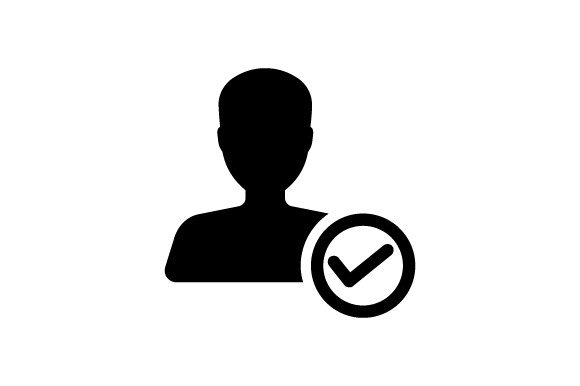
User Verified Icon: A Versatile Design Asset for Professionals and Creators
Design workflows often require elements that are both functional and adaptable. The User Verified Icon meets that need by offering a scalable, multi-format visual asset that integrates seamlessly into a wide range of digital and print projects. Whether you're building a website, preparing a presentation, or designing marketing materials, this icon serves as a clear and recognizable indicator of user verification or authentication.
Its value lies not only in its visual clarity but also in its flexibility. The icon comes in multiple file formats—SVG, EPS, AI, and PNG—ensuring compatibility with industry-standard design tools like Adobe Illustrator, Figma, Sketch, and vector-based platforms. This makes it a practical choice for professionals across disciplines, from web developers and graphic designers to marketers and educators.
Where the User Verified Icon Fits in a Design Workflow
In any design or development process, consistency and clarity are key. The User Verified Icon plays a role at multiple stages:
- Pre-Production: During the planning phase, the icon can be included in wireframes or mockups to indicate verified user status in interfaces.
- Development: In web or app development, it can be embedded as an SVG or PNG to visually represent verified accounts, profiles, or actions.
- Post-Launch: Used in dashboards, emails, or reports to reinforce trust and clarity around user data or actions taken.
Because it's available in editable formats like AI and EPS, the icon can be easily customized to match brand guidelines or project-specific color schemes. This adaptability supports a smoother integration into existing design systems without requiring additional asset creation from scratch.
Use Cases Across Industries and Platforms
The versatility of the User Verified Icon extends beyond a single use case or industry. Here are a few practical applications:
- Web Design: Incorporate the icon into user profiles, comment sections, or member directories to denote verified contributors.
- Marketing Materials: Use it in digital or print campaigns to highlight trusted partners, verified testimonials, or certified services.
- Presentations: Add the icon to slides to represent verified data sources, authenticated users, or approved content.
- Educational Content: In learning platforms or instructional materials, it can indicate completed verifications or authenticated credentials.
For creators and small business owners, integrating this icon into their visual assets can enhance professionalism and user trust. Whether it's used in a Shopify store to verify product reviews or in a SaaS dashboard to indicate account verification, the icon serves as a subtle but effective communication tool.
Integration with Tools and Workflows
One of the most valuable aspects of the User Verified Icon is how well it works alongside other tools and resources. Here's how it fits into broader workflows:
- Adobe Creative Suite: Use the AI or EPS file in Illustrator to scale without quality loss, or place it directly into InDesign layouts for print materials.
- Web Development: The SVG format allows for responsive design and can be styled with CSS, making it ideal for modern websites and applications.
- Presentation Tools: Insert the PNG version into PowerPoint, Keynote, or Google Slides for a polished, professional look.
- Collaboration Platforms: Whether used in Figma for UI design or in Notion for internal documentation, the icon adds visual clarity to shared resources.
By aligning with common design and development tools, the User Verified Icon reduces friction in implementation. It’s a ready-to-use asset that doesn’t require additional setup, allowing teams and individuals to focus on execution rather than asset creation.
Practical Tips for Implementation
Here are a few considerations to ensure smooth integration of the User Verified Icon into your workflow:
- Consistency: Maintain visual harmony by using the same color palette and icon style across your project. If you're using other icons, ensure they share a similar design language.
- Accessibility: When placing the icon in digital interfaces, consider adding alt text or ARIA labels to ensure screen readers convey its meaning accurately.
- File Management: Store the icon files in a centralized asset folder with clear naming conventions (e.g., “user-verified-icon.svg”) to streamline future use.
- Version Control: If modifying the icon for a specific use case, keep the original file intact and create a new version with a descriptive name to avoid confusion.
These small but impactful practices help ensure that the icon remains a functional and reusable component of your design toolkit over time.
Long-Term Value and Reusability
Design assets often lose relevance as trends shift or technology evolves. However, the User Verified Icon is built to last. Its clean, minimal design avoids overly stylized elements that might date quickly. Additionally, the inclusion of vector formats ensures it remains scalable and editable for years to come.
For freelancers, agencies, and in-house design teams, maintaining a library of such assets improves efficiency. Reusing the User Verified Icon across multiple projects reduces redundant work and maintains a consistent visual language, especially when working on related products or campaigns.
As platforms and design tools continue to evolve, the icon’s compatibility with both current and future software makes it a safe long-term investment. Whether you're updating a website or launching a new app feature, having a reliable verification icon on hand streamlines the process and supports a cohesive user experience.
Conclusion: A Practical Addition to Any Creative Workflow
The User Verified Icon isn’t just another design element—it's a functional tool that supports clarity, trust, and efficiency in visual communication. Whether you're working on a digital product, a printed brochure, or a presentation for stakeholders, this icon adapts to your needs without compromising quality or usability.
By offering multiple file formats, scalability, and compatibility with major design tools, it removes friction from the creative process. It fits naturally into planning, development, and post-launch phases, making it a versatile asset for professionals across industries. Most importantly, it helps convey important information in a simple, intuitive way—something every designer, developer, and communicator can appreciate.