Understanding the Elephant Icon in Design: Versatility and Visual Impact
Icons play a crucial role in modern design, serving as visual shorthand that communicates ideas quickly and effectively. Among the many animal-themed icons available, the Elephant icon stands out for its symbolic depth and design flexibility. Whether used in web design, infographics, or templates, the elephant represents more than just a visual element—it conveys strength, memory, and wisdom, making it a meaningful choice for certain applications.
What Makes the Elephant Icon Unique
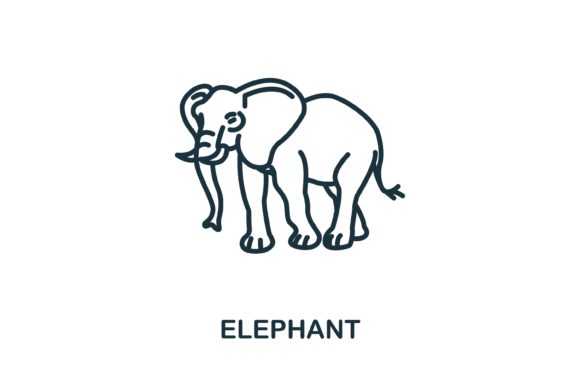
The Elephant icon is part of a broader category of animal-themed design elements, but it brings a distinct visual and conceptual presence. Unlike generic animal silhouettes, the elephant’s unmistakable shape—large ears, curved trunk, and sturdy build—makes it instantly recognizable even in minimalist form. This clarity is especially valuable in design contexts where quick visual interpretation is key, such as mobile app interfaces or data visualizations.
From a symbolic standpoint, the elephant icon resonates with themes of intelligence, loyalty, and resilience. These associations can subtly influence how users perceive a brand or message. For example, an educational platform might use an elephant icon to reinforce a theme of learning and memory, while a conservation website could use it to represent wildlife preservation efforts.
Comparing the Elephant Icon to Other Animal Icons
While the elephant offers unique benefits, it's important to consider how it stacks up against other animal icons. Simpler icons like birds or fish may offer greater neutrality and adaptability across different contexts. For instance, a bird icon can symbolize freedom, travel, or communication, making it a versatile choice for a broader range of applications. Similarly, a dog or cat icon might be more relatable for consumer-facing brands, especially in lifestyle or pet-related industries.
However, the elephant icon excels in situations where a stronger symbolic presence is desired. Its visual weight and cultural significance can make it more impactful than lighter or more generic icons. That said, this same strength can be a limitation in contexts where subtlety is preferred. Designers must weigh the symbolic richness of the elephant against the need for neutrality or minimalism.
Practical Applications and Use Cases
The Elephant icon works particularly well in specific design scenarios. For example:
- Educational materials where themes of memory and learning are central
- Environmental or conservation websites focusing on wildlife
- Corporate branding that wants to emphasize stability and trust
- Mobile apps targeting children or educational audiences
Because of its bold silhouette, the elephant icon is also well-suited for use in low-resolution environments, such as mobile app icons or social media graphics. Its defining features remain clear even when scaled down, which is not always the case with more detailed or delicate animal icons.
Design Flexibility: Vector vs. Raster Formats
When working with the Elephant icon, format choice matters. Most high-quality icons are available in both vector (EPS) and raster (JPG) formats. Vector files offer the advantage of scalability—meaning the icon can be resized without losing quality, making it ideal for responsive web design or print materials. JPG files, while easier to use in some platforms, can become pixelated when enlarged.
For designers who need to customize the icon—changing colors, adjusting proportions, or integrating it into a larger graphic—vector formats are typically the better option. This flexibility is especially important in branding or UI/UX contexts where consistency across different sizes and applications is crucial.
Strengths and Limitations of the Elephant Icon
Like any design element, the elephant icon has its strengths and drawbacks. On the plus side:
- Strong visual identity that’s easily recognizable
- Rich symbolic meaning that can reinforce brand messaging
- Works well in both minimalist and detailed styles
However, there are also tradeoffs to consider:
- May be too specific or culturally loaded for certain global audiences
- Less versatile than more abstract or neutral icons
- Potential for overuse in certain niches (e.g., memory-related apps)
Designers should also be mindful of cultural interpretations. In some regions, elephants carry deep symbolic meaning—sometimes positive, sometimes not. This can influence how the icon is perceived by different audiences, especially in international contexts.
When the Elephant Icon Is the Right Choice
The elephant icon is most effective when its symbolic and visual qualities align with the message or function of the design. If you're building a brand around themes of strength, wisdom, or conservation, the elephant can serve as a powerful visual anchor. It's also a strong choice for infographics or presentations where a bold, memorable image is needed to highlight key data points.
Additionally, if your design needs to be easily recognizable at small sizes—such as in mobile navigation or app icons—the elephant’s clear, defining features make it a reliable option. Its silhouette holds up well even in monochrome or simplified styles, ensuring it remains legible in a variety of formats.
When to Consider Alternatives
There are also scenarios where another icon might be more appropriate. If your design requires a more neutral or universally relatable symbol, icons like the owl (for knowledge), the lion (for courage), or even abstract shapes might be better suited. In cases where minimalism or modernity is the goal, a stylized geometric icon could provide a cleaner, more contemporary look.
Additionally, if your audience spans multiple cultures, it’s worth evaluating how the elephant might be perceived in different regions. While it's generally viewed positively in many Western and South Asian contexts, its meaning can vary significantly elsewhere. In such cases, opting for a more universally neutral symbol may be safer.
Conclusion
The Elephant icon is more than just a design element—it’s a symbol with visual strength and cultural depth. Whether you're working on a website, infographic, or branding project, understanding when and how to use this icon can enhance both the aesthetics and messaging of your design. While it may not be the right choice for every project, its distinctiveness and symbolic resonance make it a compelling option in the right context. By considering its strengths, limitations, and alternatives, designers can make informed decisions that align with both their creative goals and their audience’s expectations.