The Significance of a Man Without a Beard in Design and Workflow Integration
In the world of visual design and digital asset management, symbols carry more weight than they might appear to at first glance. A simple icon like A Man Without a Beard may seem like a minor detail, but its role in design workflows, branding, and communication can be substantial. Whether used as a placeholder, a thematic element, or part of a larger visual narrative, this icon offers flexibility and clarity in a variety of professional contexts.
Understanding A Man Without a Beard as a Design Asset
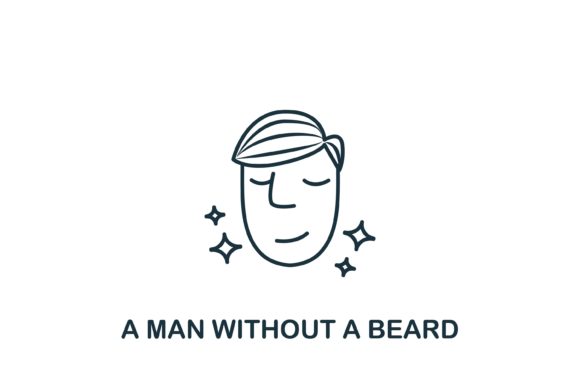
A Man Without a Beard is more than just a symbolic image—it's a vector-based graphic asset designed for adaptability. Typically available in formats like EPS and JPG, this icon fits seamlessly into a wide range of design tools and publishing platforms. It serves as a simple yet effective visual element that can be used in infographics, web templates, mobile UIs, and print layouts.
The icon’s minimalist nature makes it ideal for representing absence, transformation, or neutrality in visual storytelling. For example, it could symbolize a "before" state in a grooming service timeline, or represent a clean slate in a branding or personal development context.
Integration into Creative and Business Workflows
Design assets like A Man Without a Beard are not isolated elements—they are part of a broader creative or business process. Here’s how this icon can be integrated at various stages:
Pre-Production Planning
During the planning phase of a design or marketing project, icons like this help establish visual themes and narrative structures. They can be placed in mood boards, wireframes, or storyboards to convey character traits or stylistic directions without the need for detailed illustrations or photographs.
Active Design Implementation
Once the design process is underway, the icon can be placed directly into templates, dashboards, or user interfaces. Because it comes in editable formats like EPS, it can be resized, recolored, or combined with other graphic elements without loss of quality. This makes it ideal for use in:
- Web design templates
- Mobile app UI kits
- Infographics and data visualizations
- Presentation slides and educational materials
- Marketing assets for grooming or personal care brands
Post-Design Review and Reuse
After a project is completed, the same icon can be archived for future reuse. Maintaining a well-organized library of assets—including symbols like A Man Without a Beard—can significantly reduce production time in subsequent projects. Consistent use of such icons also contributes to brand recognition and design coherence across platforms.
Practical Use Cases Across Industries
The utility of A Man Without a Beard extends beyond the design industry. Here are a few real-world applications:
Marketing and Branding
For businesses in the grooming or fashion industries, this icon can serve as a visual representation of a baseline look. It can be used in before-and-after comparisons, product packaging, or advertising campaigns to illustrate transformation or personal choice.
Educational Content
In learning modules or infographics related to personal hygiene, fashion history, or social identity, the icon can act as a neutral character to demonstrate concepts without introducing bias or distraction.
UI/UX Design
Within digital interfaces, this icon can function as a user avatar placeholder, a profile default, or a thematic element in onboarding flows. Its simplicity ensures it doesn’t compete with other UI elements for attention.
How to Work with A Man Without a Beard Effectively
Using a design asset effectively goes beyond simply inserting it into a layout. Here are some practical tips for integrating A Man Without a Beard into your workflow with consistency and efficiency:
Ensure Compatibility Across Tools
Before inserting the icon into your project, verify that your design software supports EPS or JPG formats. Most modern tools like Adobe Illustrator, Figma, Sketch, and Canva can handle these formats with ease. If needed, convert the file to SVG for broader web compatibility.
Maintain Visual Consistency
If you're using multiple icons or design elements, ensure that A Man Without a Beard aligns in style, color, and proportion. Adjusting stroke widths, color schemes, or background treatments can help unify the overall design.
Organize for Reuse
Store the icon in a labeled folder within your asset management system. Consider tagging it with keywords like "face," "male," "beardless," or "neutral" to make it easier to find in future projects.
Optimize for Performance
If using the icon on a website or mobile app, optimize the file size to ensure fast loading times. Tools like Adobe Photoshop or online compressors can help reduce the JPG file size without compromising visual quality.
Long-Term Value of Simple Icons in Design
Icons like A Man Without a Beard may not seem groundbreaking, but their long-term value lies in their versatility and ease of use. Over time, designers and content creators build up a library of such icons, creating a reusable toolkit that streamlines production and maintains brand integrity.
By investing in clean, scalable graphics and organizing them effectively, professionals can reduce repetitive work and focus more on the creative and strategic aspects of their projects.
Final Thoughts on Implementation
Whether you're a solo creator, a marketing team, or a business owner managing your own branding, the ability to integrate simple, high-quality icons into your workflow is essential. A Man Without a Beard offers a practical, scalable solution for representing absence, neutrality, or transition in a visually clean and adaptable format.
Its ease of use, compatibility with multiple platforms, and potential for customization make it a valuable addition to any design or communication toolkit. When used thoughtfully, even the simplest icon can play a significant role in enhancing clarity, consistency, and efficiency in your visual storytelling and branding efforts.